
Research figure template
Mitosis Diagram
Create a labeled cell division diagram for research, teaching, and scientific presentations.
Create a custom diagram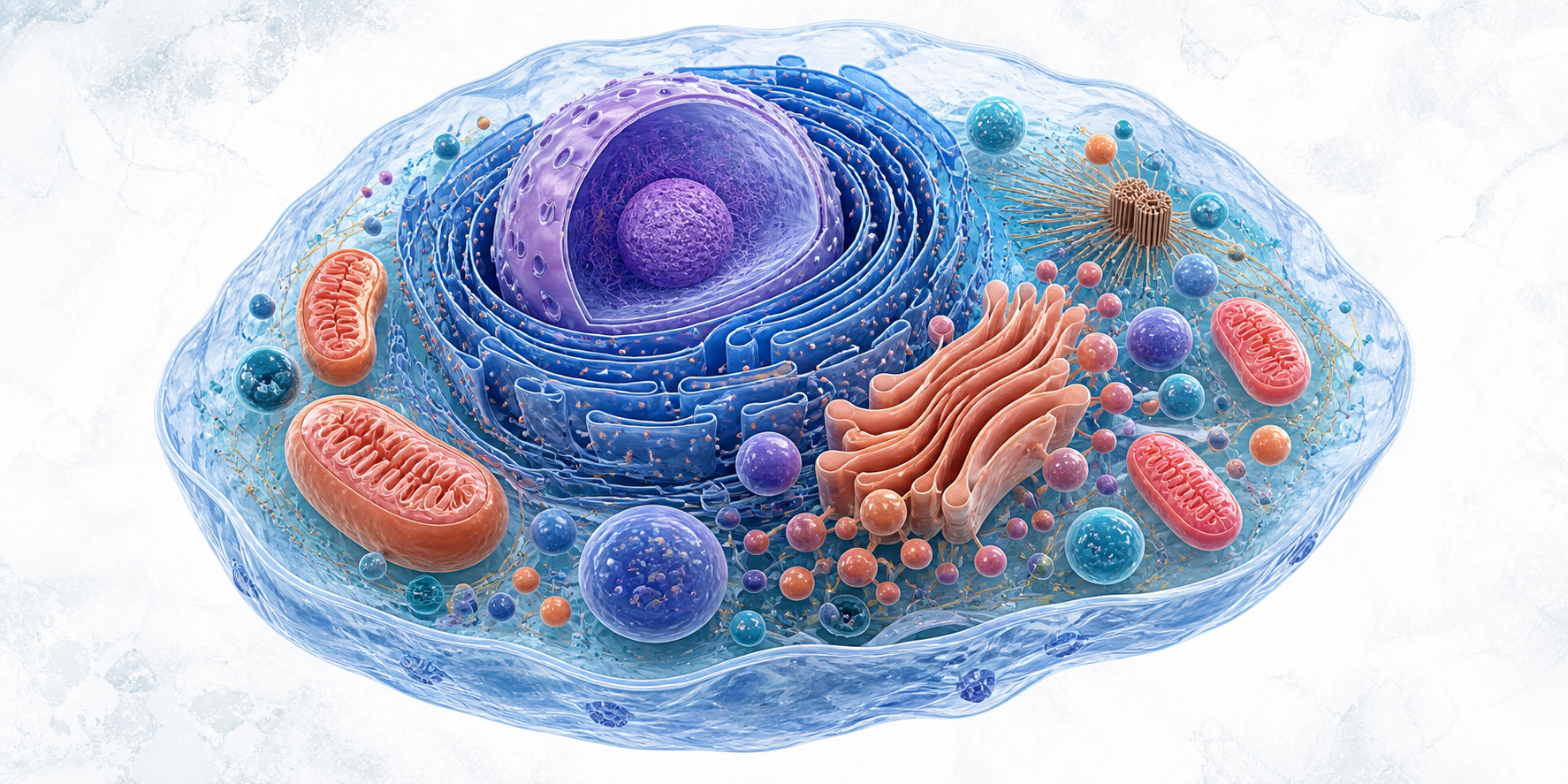
Research figure template
Create a labeled cell division diagram for research, teaching, and scientific presentations.
Create a custom diagramA readable mitosis diagram should make the sequence of cell division obvious while keeping chromosome behavior and spindle organization easy to inspect. Show the major stages in a stable order, use repeated cell outlines or panels, and reserve labels for structures that explain the stage. If the figure compares normal division with an experimental condition, use aligned panels and a concise legend rather than mixing both stories in one crowded cell.
Begin with the stage sequence and the biological claim. Decide which structures need labels, such as chromosomes, centrosomes, spindle fibers, nuclear envelope, or daughter cells. Use consistent colors and shapes across panels so the viewer can track the same structure as it changes. A prompt or sketch can start the layout, and the AI figure generator can create a visual draft before you refine the scientific details.
Write the one-sentence claim first, then list the structures and terms that must appear. Keep the main subject stable and use short labels with consistent leader lines.
Use a flow layout for change over time, callouts for component identification, and comparison panels for conditions. Add a sketch when the composition matters, then explore variations in the scientific diagram maker.
Do not use different symbols for the same chromosome or spindle structure in different panels. Avoid collapsing stages so tightly that the order becomes ambiguous, and check that arrows describe time or movement rather than implying unsupported causality.
Yes. Name the stages and structures you need, then check the sequence and labels against your source material.
Yes. A repeated-panel or circular layout can show the stages, but keep the reading order obvious.
Yes. Replace labels and terminology with the level appropriate for your students and review the biological accuracy.
Yes. A sketch is useful for communicating the order, panel layout, and desired labels.
No. Verify every stage, structure, arrow, and label before teaching or publishing it.
Start with the structure or process you need, add a prompt, sketch, or reference image, and use SciDrawer to create a research figure starting point you can refine.
Open the AI figure generatorExplore more focused research figure pages, browse editable templates, or open the generator for a custom draft.